Community input urged amid fast-paced approval process conducted without community input
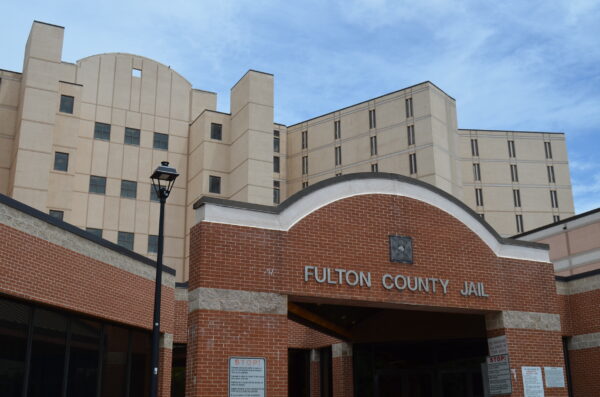
Fulton County Chairman Robb Pitts yesterday reiterated in a news conference and amid mounting criticism from that the county remains committed to addressing issues at the Fulton County Jail, as outlined in a consent decree with the Department of Justice. This includes a planned $300 million investment in facility improvements and a “blitz” repair program for the Rice Street facility, and a proposal to spend over one billion dollars to renovate the Rice Street Jail after constructing a new jail to hold people living with mental illness.
County commissioners are expected to vote on the proposal tomorrow, Wednesday, Aug. 20. Earlier this month, Pitts claimed victory when voters rejected a proposed 12.5 percent increase which would have helped to fund the construction of a new jail.
“I am pleased to inform you the Fulton County Board of Commissioners (BOC) officially voted to reject the proposed 12.5% property tax increase and instead adopted the flat millage rate of 8.87.
After four Commissioners voted in June to advertise an increase of 1 mil — which would have collected an additional $80 million in tax revenue at the expense of our homeowners and renters alike — I worked to convince them to reconsider their support for the tax hike,”Pitts said in a statment.
The Southern Center for Human Rights (SCHR) which has been critical of the Commission’s lack of community involvement and engagement in developing a plan to address the damning findings concerning the unconstitutional and inhumane conditions at the Fulton County jail “Rice Street” under Sheriff Patrick Labat and resultant Consent Decree, released the following statement:
“In response to the Fulton County Board of Commissioners’ proposal to spend over one billion dollars to renovate the Rice Street Jail after constructing a new jail to hold people living with mental illness, we urge the Fulton County Board of Commissioners to engage the public prior to voting on such a consequential piece of legislation. As we saw through The People’s Process, the public prioritized cultural shifts, diversion, reducing the jail population, addressing violence by corrections officers, and ending solitary confinement over new buildings. Instead of heeding community wisdom, this proposal would be a vehicle for Fulton County to build a new facility while delaying or even abandoning meaningful action in Rice Street.
The plan—which would build a new jail before renovating Rice Street—would increase Fulton County’s carceral footprint while leaving the many people in their custody to continue to live in jails riddled with human rights violations. Fulton County Sheriff Patrick Labat and those under his supervision have failed to afford the most basic care to people with mental illness in Fulton County jails. Any new facility would take years to build. The narrow fixation on new construction while not directing equal financial resources to immediate care may very well worsen matters for those who need services most.”
SCHR has filed four lawsuits concerning the inhumane conditions at the Fulton County jail over the span of more than 30 years: Stinson v. Fulton County Bd. of Comm, Foster v. Fulton County, Harper v. Fulton County, Georgia, and Georgia Advocacy Office. v. Labat.